We have stopped talking to one another.
Listening to one another? Now we are really getting carried away.
What on earth happened, in these decades, that the medium of conversation — plain human conversation — steadily faded?
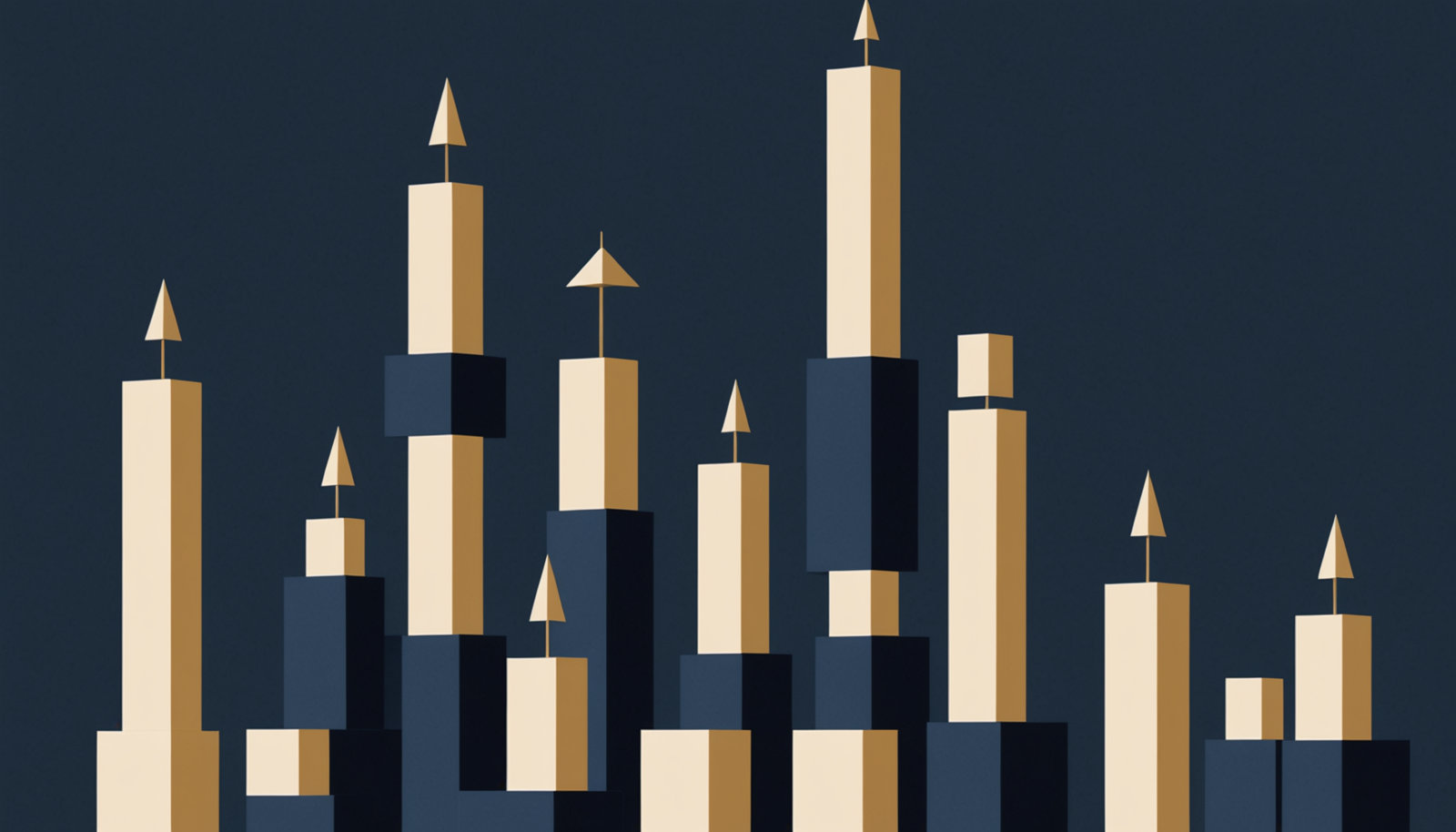
Think about it for a moment. There is no better way to become acquainted with another person than by talking to them. When we speak of getting to know somebody, picture a careful, gradual tower of blocks being built and rising as we accumulate more and more interactions with them.
Incidentally, acquaintance between people is the most extraordinary building in the world. The more intimately we know one another, the more the building not only adds storeys but digs its foundations deeper into the ground — and then we obtain that splendid psychological product called a stable relationship.
But for that to happen, we need to talk. And talk again. And a bit more. And not give up even when we do not immediately feel like it.
Here are the reasons it faded, as best I can tell.
One. Talking became optional. Every practical function conversation used to serve — arranging, informing, checking — is now handled by text, so speech is left carrying only the part that has no external justification.
Two. It is slow, and we have been trained out of slow.
Three. It cannot be edited. You cannot draft a sentence for eleven seconds before saying it, which is exactly why it produces material that messaging never will.
Four. It contains silences, and we have lost our tolerance for those entirely.
Five. It requires being available to be affected, and a person who has been affected has to do something about it.
That last one is the real reason, I suspect, and it explains why the decline is sharpest precisely among people who see each other daily.