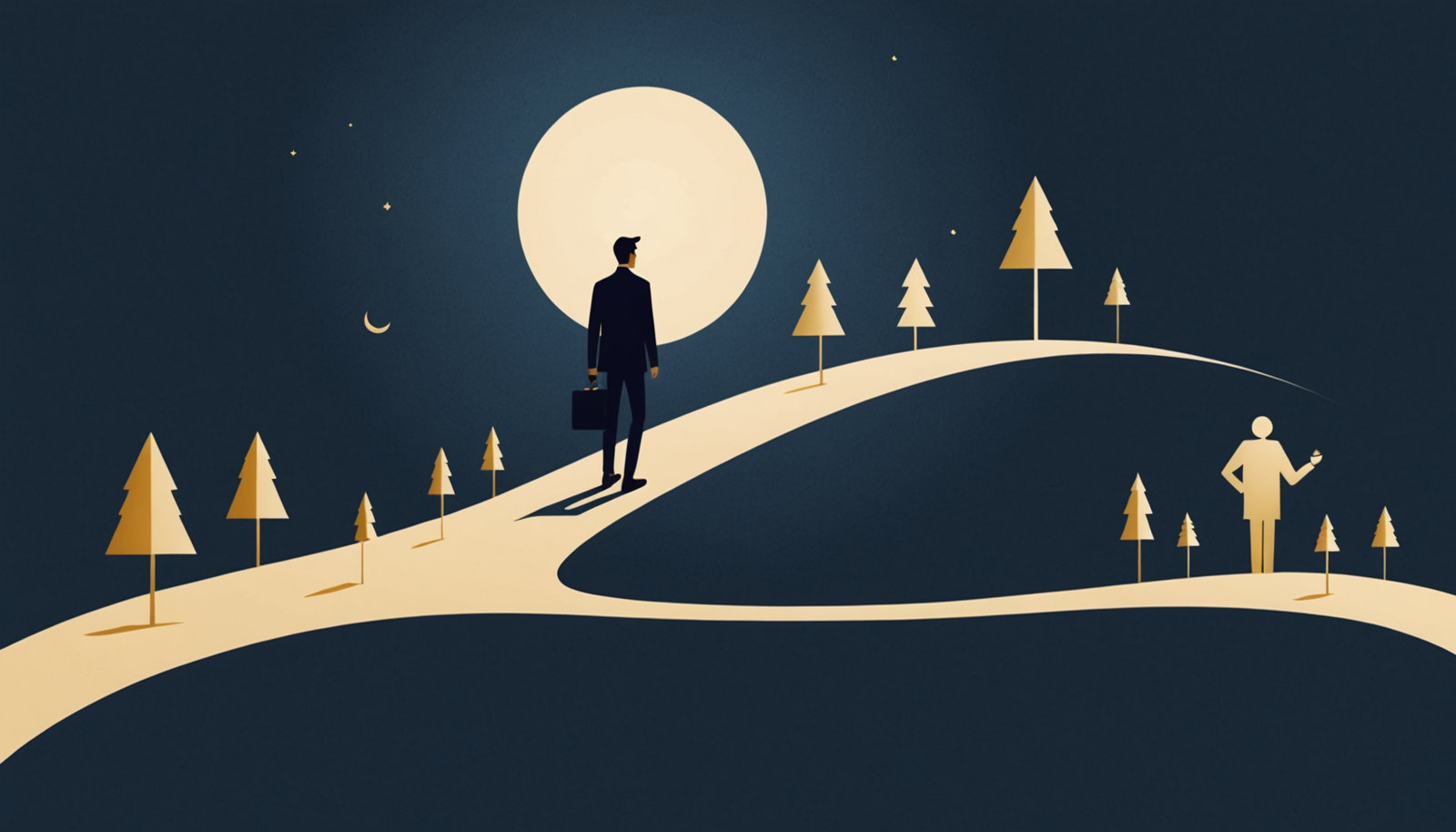
People once did everything in order not to die. Two hundred years of progress and abundance and internet have passed, and today we will do anything in order not to be embarrassed.
That is how it works. The moment we are no longer occupied with survival, we find something else to be troubled by.
Sounds exaggerated? Try a mental exercise.
How many times in the last five years — or even the last five days — did you avoid a worthwhile step, or shrink from saying a necessary sentence, purely because it would have been uncomfortable?
We change plans again and again, delay essential decisions, do things we did not intend to do and avoid things we may have wanted to do, all in order to avoid embarrassment.
Here is a thought: in recent decades our image has occupied a larger and larger portion of our self.
I am talking about our presence online.
We are increasingly invested in preserving that appearance, and so our attention constantly monitors how we look in order to avoid humiliations.
Where once you might slip on a banana and only your friends would laugh, today a foolish remark of yours can travel.
But the more important point is what this costs in the ordinary case, away from any audience.
Embarrassment is a social signal designed to make you correct course inside a small group of people who know you. It was never designed to be felt at the scale we now feel it, or in anticipation, or about strangers.
Which means a great many of us are now running a permanent, low-grade calculation about how things will look, applied to decisions where nobody is watching at all — and calling the resulting paralysis prudence.